

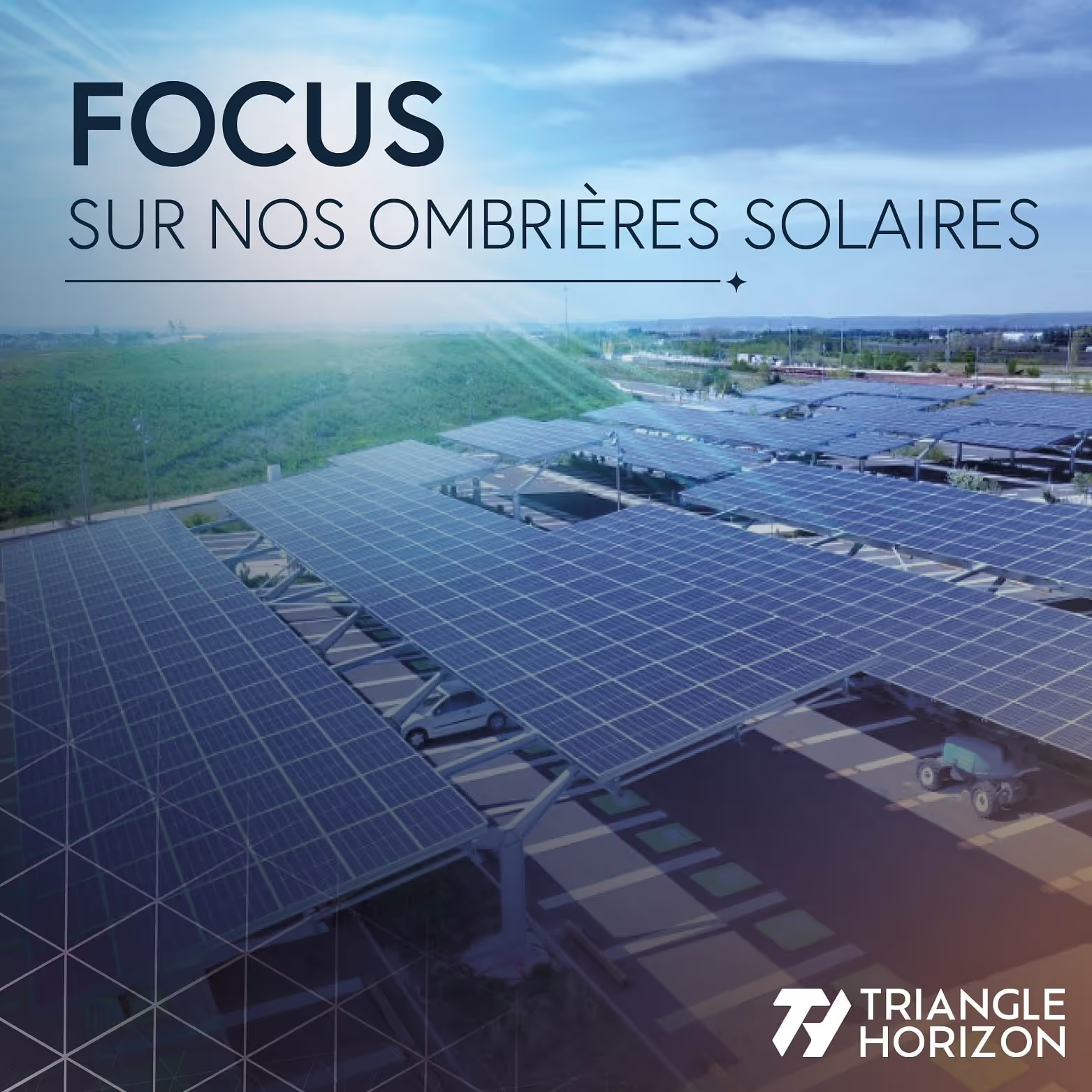
In the current context of the energy transition, solar canopies are popping up in many parking lots as a solution for generating clean energy and optimizing land use. These installations combine protection for parking lot users and vehicles with the generation of renewable energy on the same site.
Definition and Operating Principle
A solar carport is a metal structure designed to support photovoltaic panels in order to protect users and their vehicles from extreme heat and inclement weather. Unlike ground-mounted systems, carports make better use of space by creating a covered area that can be used, typically for parking vehicles.
Applications and Areas of Operation
Solar shade structures are used in many different industries. The service and industrial sectors represent a major market, including corporate parking lots, shopping centers, and logistics facilities. The public sector also represents a significant market, particularly for government agencies, schools, and hospitals. Finally, the transportation and mobility sector offers interesting opportunities, especially with the development of charging infrastructure for electric vehicles.
Technical and Economic Benefits
Land Optimization
Solar canopies maximize the use of available land by combining two functions: electricity generation and parking space. This approach is particularly beneficial in areas where land is expensive.
Protection of Vehicles and Parking Lot Users
The structure provides effective protection for parking lot users—both for them and their vehicles—against inclement weather (hail, snow, rain), as well as a shaded area, which is greatly appreciated during hot weather. For corporate parking lots, this can also help reduce maintenance costs for their vehicle fleets.
Green Energy Production
Thanks to solar panels, a parking lot shade structure generates clean energy with very low CO2 emissions. The electricity generated can, as part of a self-consumption solar installation, cover a significant portion of the site’s energy needs, contributing to organizations’ goals of reducing their carbon footprint.
Technical Aspects and Construction
Triangle Horizon supports you every step of the way in your project to install a photovoltaic carport.
Design and Sizing
Every shade structure project requires a preliminary structural analysis that takes local conditions into account. The design accounts for both permanent loads (structure, panels) and variable loads (wind, snow, maintenance).
Materials and Manufacturing
Triangle Horizon manufactures these structures from galvanized steel, a material that offers excellent corrosion resistance and optimal durability. Steel also has the advantage of being fully recyclable, which aligns with a sustainable development approach.
Implementation Process
The construction of a solar shade structure follows a controlled process that includes the design phase—with site analysis and structural sizing—the fabrication of metal components in our workshops in Morée, the construction of foundations tailored to the soil type, the assembly of the metal framework, the photovoltaic installation—including the installation of the panels and electrical connections—and finally, commissioning, which involves testing and putting the system into operation.
Why choose Triangle Horizon for your solar shade structures?
Comprehensive expertise across the entire supply chain
Choosing a partner with expertise across the entire process—from design to commissioning—is a guarantee of quality and performance. Triangle Horizon perfectly meets this criterion by managing every phase of a solar project, from engineering to manufacturing to installation.
Proven track record and experience
The contractor’s experience in the fields of steel structures and photovoltaics is a key factor. Triangle Horizon, a subsidiary of the Le Triangle Group, has more than 35 years of expertise in steel construction and more than 15 years of specialization in photovoltaics. Since its founding, Triangle’s teams have installed more than 1.4 MW of photovoltaic capacity.
Certifications and Commitment to Quality
ISO 9001 (quality) and ISO 14001 (environment) certifications attest to the rigor of the processes in place. Triangle Horizon meets these requirements with its current certifications, demonstrating its commitment to quality and environmental stewardship in all of its solar shade projects.
Regulations and Standards
Solar shade structures are subject to the regulations governing photovoltaic systems and metal structures. The regulatory framework includes, in particular, tariff decrees for electricity generation, DTU standards specific to photovoltaic systems, the Eurocodes for structural design, and ICPE regulations based on installed capacity.
Conclusion on Photovoltaic Shade Structures
Solar shade structures offer a proven technical solution for parking lot owners seeking to optimize their land use while expanding their renewable energy production. Choosing an experienced contractor, such as Triangle Horizon, with expertise across all relevant trades is a key factor in the success of these energy infrastructure projects.